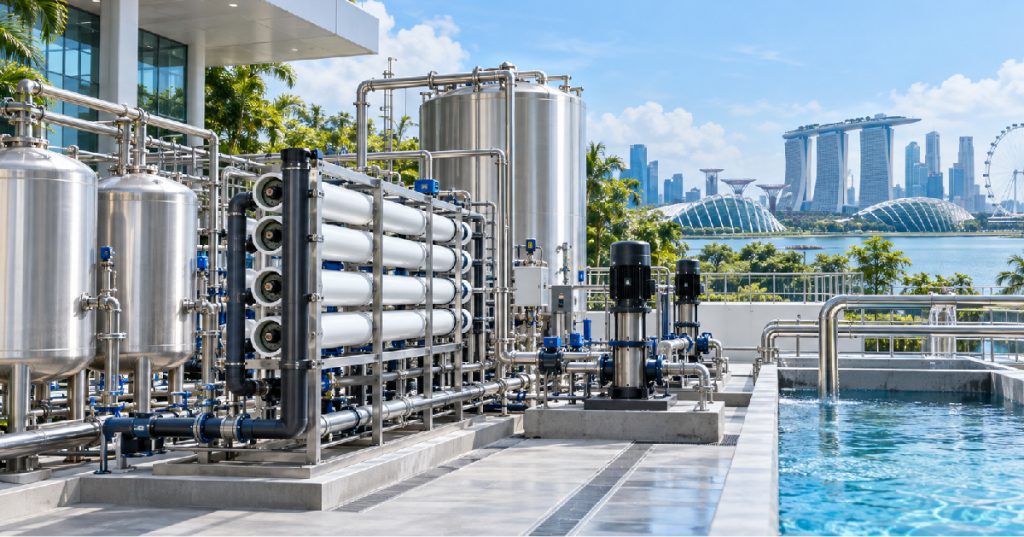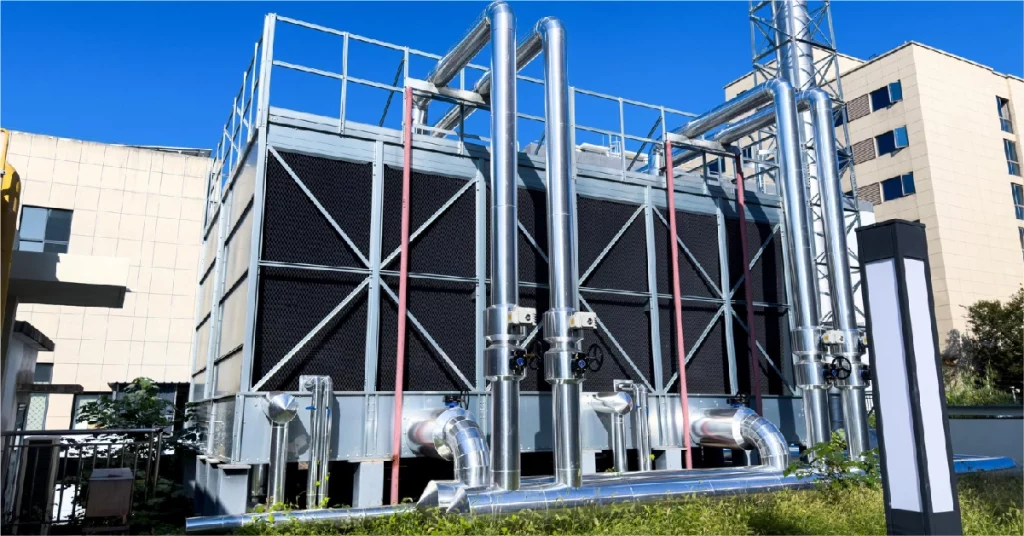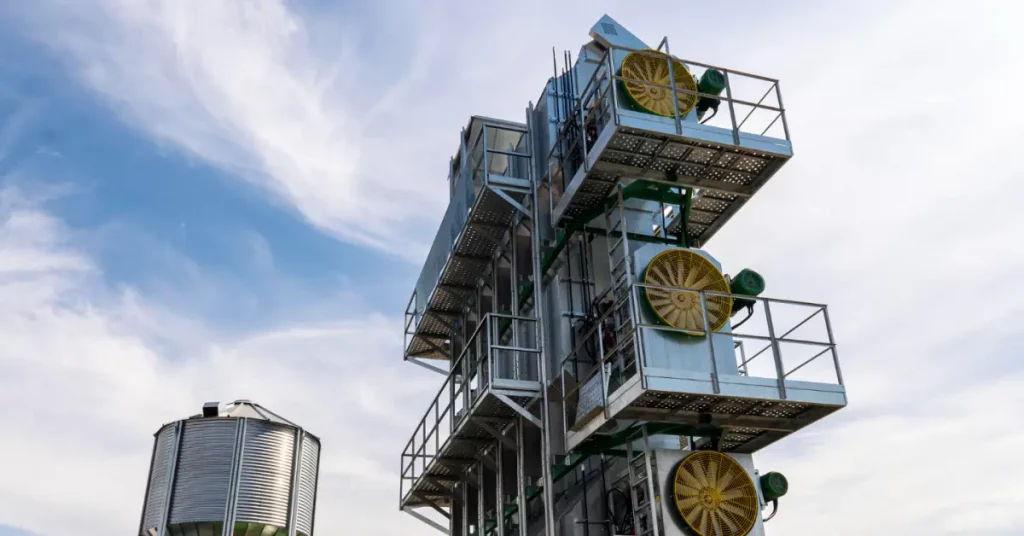

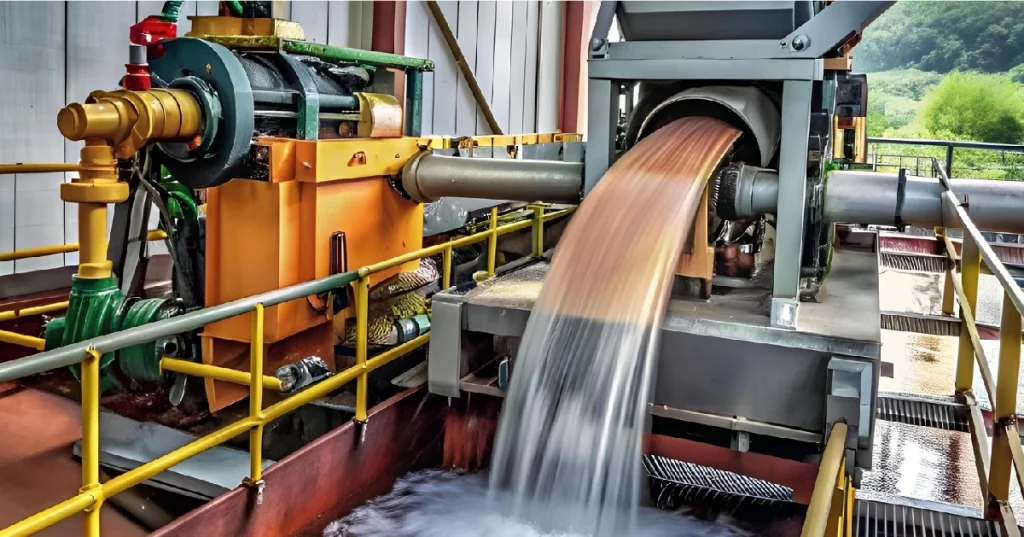
Singapore is known for its strong focus on water sustainability and efficient industrial water management. Industries such as pulp and paper, textiles, food processing, and manufacturing consume large volumes of water and generate significant amounts of process wastewater. One of the key wastewater streams in many industries is white water, which contains suspended solids, fibers, fillers, and process chemicals.
Implementing an advanced White Water Recycling system helps industries reduce water consumption, improve process efficiency, and support sustainable operations. By using modern treatment technologies, industries in Singapore can recycle water safely while meeting strict environmental regulations.
What Is White Water in Industrial Processes?
White water is a process wastewater stream generated mainly in industries such as paper mills, packaging plants, and textile units. It contains:
- Fine fibers and suspended solids
- Fillers and additives
- Organic matter
- Process chemicals
If discharged without treatment, white water can cause pollution and increase water consumption. Recycling this water using a proper white water recycling system allows industries to reuse treated water in production processes.
Importance of White Water Recycling in Singapore
Due to limited natural water resources, Singapore emphasizes water reuse and recycling in industrial operations. Recycling wastewater helps industries:
- Reduce freshwater consumption
- Lower wastewater discharge
- Improve production efficiency
- Meet environmental regulations
- Reduce operating costs
Advanced water recycling systems are therefore widely adopted in industrial facilities to ensure sustainable water management.
White Water Recycling System: How It Works?
A modern White Water Recycling system uses multiple treatment stages to remove suspended solids, fibers, and contaminants before reusing the water.
The system typically includes:
- Clarification
- Filtration
- Polishing treatment
- Reuse or discharge
These stages ensure that recycled water meets the quality required for industrial use.
High Rate Solids Contact Clarifier
A High Rate Solids Contact Clarifier is one of the key components used in white water treatment systems.
This unit helps remove suspended solids and fibers through coagulation, flocculation, and sedimentation.
Benefits include:
- Efficient removal of fine solids
- Compact design with high treatment capacity
- Reduced sludge volume
- Stable operation
Clarifiers play an important role in improving water quality before filtration.
Sand Filter for Final Filtration
After clarification, the water passes through a Sand Filter to remove remaining suspended particles.
Sand filtration helps:
- Improve water clarity
- Remove fine solids
- Protect downstream equipment
- Ensure consistent water quality
This step is essential for producing water suitable for reuse in industrial processes.
Benefits of White Water Recycling Systems
Implementing an advanced White Water Recycling system provides several operational and environmental benefits:
- Reduced water consumption
- Lower wastewater discharge
- Improved process efficiency
- Compliance with environmental regulations
- Reduced operating costs
- Sustainable water management
These advantages make recycling systems essential for modern industrial facilities.
Supporting Sustainable Water Management in Singapore
Singapore promotes water conservation through advanced treatment technologies and recycling systems. Industrial water recycling helps support national water sustainability goals while ensuring uninterrupted production.
Recycled water can be reused in:
- Process operations
- Cooling systems
- Cleaning applications
- Utility systems
This reduces dependence on freshwater sources and supports long-term industrial growth.
Ion Exchange Solutions for White Water Recycling
Ion Exchange provides advanced water recycling and treatment systems designed for industrial applications across the world.
Their solutions include:
- White water recycling systems
- High-rate solids contact clarifiers
- Sand filtration systems
- Industrial wastewater treatment plants
- Integrated water management solutions
The units faced problems in treating “White Water”, a term for process wastewater containing fine particulate matter fibres and fillers like titanium dioxide used in the speciality paper making process.
Ion Exchange has installed a White Water Recycling system with a capacity of 11,000 m3/d for the recovery of water, fibres, and fines, and reusing them in the paper manufacturing process. The recovery process utilizes a High Rate Solids Contact Clarifier and Continuous Sand Filter along with speciality coagulants and flocculants for enhancing solids recovery.
The Continuous Sand Filter provides several benefits over conventional sand filters, which require frequent backwashing, thereby reducing the effective operating time. This advanced, but highly simplified and efficient technology,y when applied (along with High Rate Solids Contact Clarifier) for recycling of water from the mills, can recover fibre, filler chemicals, and at the same time recycle quality treated water into the process. Continuous Sand Filters deliver superior treated effluent quality and require significantly lower footprint while delivering consistency in treated water quality. Thu,s ITC Tribeni could achieve 98% water recovery with less than 5 PPM of suspended solids, allowing the treated white water to be reused directly in the paper mill without clogging the showers. 99% fibres, which are also recovered,d are reused in paper-making, thus helping to meet the circular economy goals of the paper industry.
Conclusion
An efficient Industrial White Water Recycling and Treatment System is essential for industries in Singapore to reduce water consumption, prevent pollution, and improve operational efficiency. Technologies such as High Rate Solids Contact Clarifier, Sand Filter, and advanced water recycle systems enable industries to reuse water safely and support sustainable production.
By adopting modern recycling solutions, industries can achieve better water management while contributing to environmental protection and long-term sustainability.
FAQ:
1.What is white water in industrial wastewater?
White water is process wastewater containing fibers, fillers, suspended solids, and chemicals generated in industries such as paper, textiles, and packaging during manufacturing operations.
2. Why is white water recycling important for industries?
White water recycling helps reduce freshwater consumption, recover valuable materials, lower wastewater discharge, and improve overall efficiency in industrial water management.
3. How does a clarifier help in wastewater recycling?
A High Rate Solids Contact Clarifier removes suspended solids, fibers, and fine particles through coagulation and sedimentation, improving water quality before filtration and reuse.
4. What industries commonly use white water recycling systems?
Industries such as pulp and paper, textiles, food processing, and packaging commonly use white water recycling systems to reduce water usage and support sustainable production.
5. How does Ion Exchange help industries with white water recycling solutions?
Ion Exchange provides advanced white water recycling systems with clarifiers, continuous sand filters, and specialty chemicals to recover water, fibers, and fillers for reuse in industrial processes.