
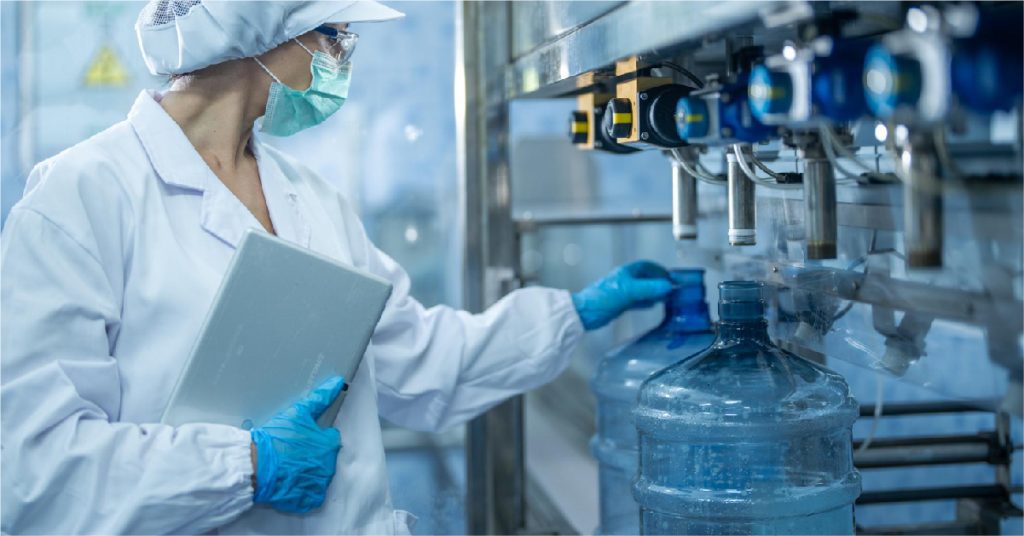
Singapore’s pharmaceutical industry is one of the most advanced in Asia, producing high-value drugs, biologics, and medical devices for global markets. With such stringent quality standards, the need for pure, contaminant-free water is non-negotiable. From production to cleaning and formulation, water quality has a direct impact on product safety and regulatory compliance. That’s why water treatment in pharmaceutical industry operations plays a vital role — ensuring consistency, purity, and full alignment with global and Singaporean regulatory norms.
Importance of Water in Pharmaceutical Manufacturing
Water is not just a utility in pharmaceutical production — it’s a critical raw material. It is used in drug formulation, equipment cleaning, rinsing, and as a component in injectable and non-injectable products. Therefore, maintaining ultra-high purity water standards is essential.
Pharmaceutical-grade water in Singapore must comply with standards set by global regulatory agencies such as:
- US Pharmacopoeia (USP)
- European Pharmacopoeia (EP)
- World Health Organization (WHO) guidelines
- Health Sciences Authority (HSA) Singapore
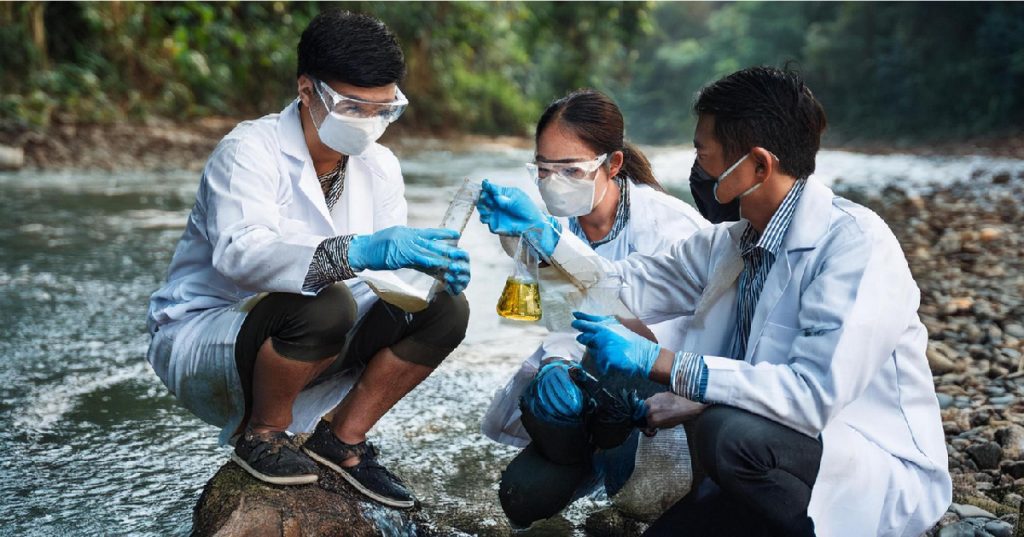
These standards govern the measurement of Total Organic Carbon (TOC), conductivity, microbial counts, and endotoxin levels. A reliable water treatment plant in the pharmaceutical industry ensures that every drop of water meets these exacting specifications.
Understanding Water Treatment in the Pharmaceutical Industry
The process of water treatment for pharmaceutical industry applications involves multiple stages, combining physical, chemical, and biological methods to ensure purity, consistency, and compliance.
1. Pre-Treatment
Raw water passes through multimedia filters, activated carbon filters, and softeners to remove suspended solids, chlorine, and hardness-causing minerals.
2. Primary Purification
Advanced processes such as reverse osmosis (RO), ultrafiltration (UF), or deionization (DI) are used to remove dissolved ions, bacteria, and organics.
3. Final Polishing
Electrodeionization (EDI), UV disinfection, and 0.2-micron filtration ensure the highest possible purity — producing water suitable for pharmaceutical formulations such as Purified Water (PW), Water for Injection (WFI), and Highly Purified Water (HPW).
4. Storage & Distribution
The purified water is stored in sanitary stainless-steel tanks and circulated continuously through loop systems to maintain microbiological integrity and prevent stagnation.
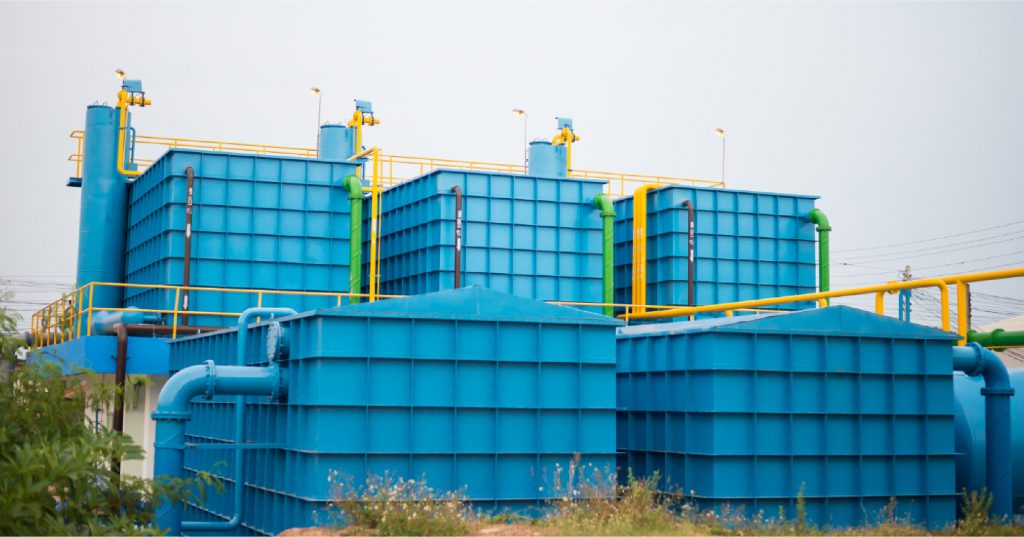
Every water treatment plant in the pharmaceutical industry is designed to meet these stages while maintaining strict validation and documentation standards for audits.
Waste Water Treatment in the Pharmaceutical Industry
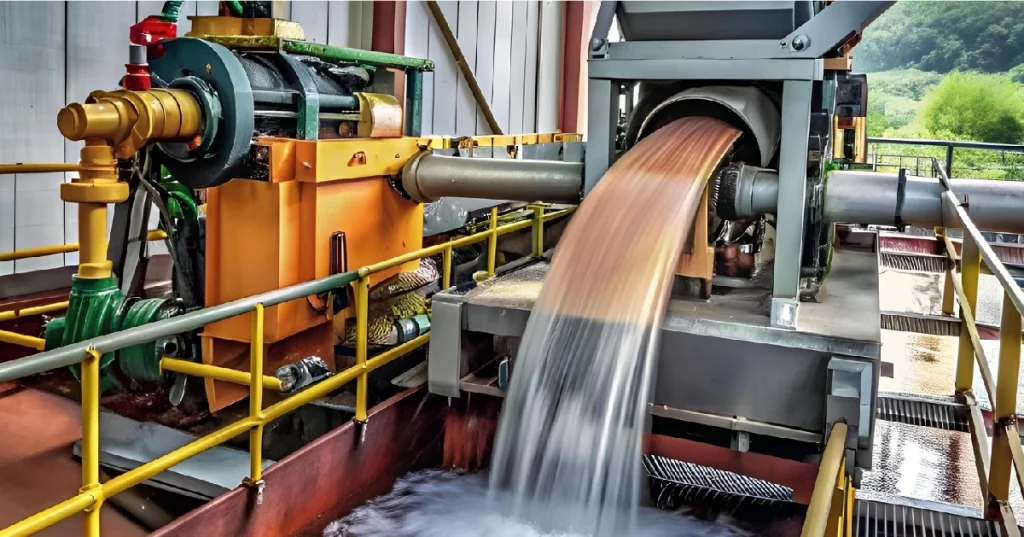
Pharmaceutical operations also generate wastewater containing organic compounds, solvents, and active pharmaceutical ingredients (APIs). Without proper treatment, this can pose environmental risks.
Wastewater treatment in the pharmaceutical industry typically includes:
- Equalization & Neutralization – Balancing pH and flow for consistent treatment performance.
- Biological Treatment – Using aerobic or anaerobic microorganisms to degrade organic contaminants.
- Membrane Filtration – Employing ultrafiltration or reverse osmosis to remove residual solids and pollutants.
- Advanced Oxidation & Disinfection – Breaking down trace organics and ensuring pathogen-free discharge.
Singapore’s National Environment Agency (NEA) enforces strict discharge regulations, and Ion Exchange’s advanced wastewater systems ensure full compliance while promoting sustainability through water reuse and recovery.
Ion Exchange’s Expertise in Pharmaceutical Water Solutions
Complete Effluent Treatment & Zero Liquid Discharge Solutions
Pollution and increased demand have made good quality water scarce and expensive, both in terms of direct cost and the effect of unsuitable water on plant economics and product quality. At the same time, disposal norms are getting tighter and their enforcement stricter. Ion Exchange offers effluent treatment, recycle, zero liquid discharge solutions, and a wide range of multi-effect evaporator systems with a choice of metallurgy (SS 316L & SS 316 (Ti)) to address these problems and simultaneously generate substantial savings.
Our effluent treatment solutions are based on biological and advanced membrane treatment processes. To treat complex pharmaceutical effluents, we offer INDION Disc Tube Reverse Osmosis (DTRO) and INDION Multi-effect Evaporator (MEE) Systems.
We have more than ten working references for the MEE system.
Why Compliance Matters in Singapore?
Singapore’s reputation as a global pharmaceutical hub is built on trust, quality, and adherence to global manufacturing practices. Failing to maintain compliant water systems can result in regulatory nonconformance, product rejection, or shutdowns. Therefore, implementing validated, automated, and auditable water treatment for pharmaceutical industry systems is not just a requirement — it’s a business imperative.
Conclusion
Water quality defines pharmaceutical quality. In Singapore, where regulatory expectations are among the highest in the world, modern water treatment in pharmaceutical industry systems ensures purity, reliability, and compliance. Whether it’s purified water, WFI, or wastewater treatment in the pharmaceutical industry, every process must be carefully engineered, monitored, and validated.
With Ion Exchange’s proven track record and global expertise, pharmaceutical manufacturers in Singapore can achieve sustainable, compliant, and cost-effective operations powered by an advanced water treatment plant in pharmaceutical industry systems.