
Singapore’s industrial landscape—spanning electronics, semiconductors, pharmaceuticals, specialty chemicals, and metal processing—operates under some of the world’s most stringent environmental regulations. Among the contaminants that require careful management, fluoride has emerged as a critical concern in industrial effluents. Effective fluoride removal is essential not only for regulatory compliance but also for protecting water resources and enabling sustainable wastewater reuse.
As industries move toward tighter discharge norms and circular water practices, advanced wastewater treatment technologies are becoming central to fluoride control strategies.
Why Fluoride Is a Challenge in Industrial Wastewater?
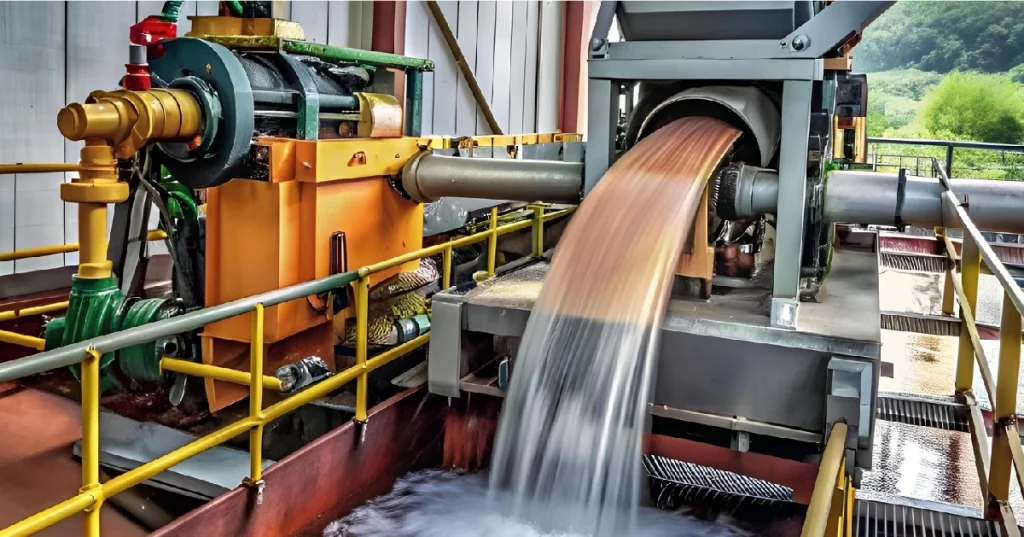
Fluoride enters industrial wastewater through several processes, including etching, surface treatment, chemical synthesis, and cleaning operations. In high concentrations, fluoride can be harmful to aquatic ecosystems and corrosive to infrastructure, making its removal a regulatory and operational priority.
Key challenges associated with fluoride in industrial wastewater treatment include:
- High solubility makes fluoride difficult to remove using conventional treatment
- Variable concentrations depending on production cycles
- Interference with biological treatment systems
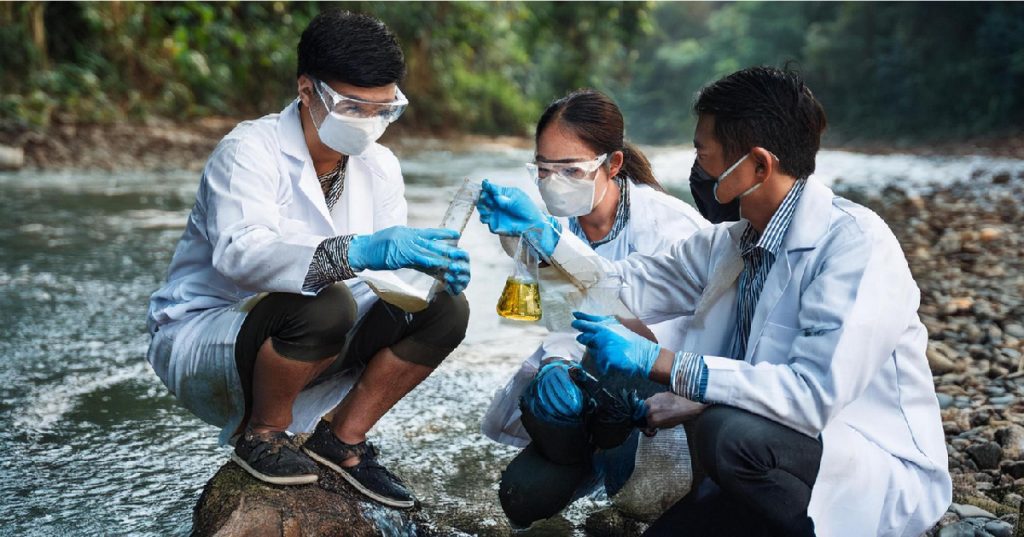
- Strict discharge limits set by environmental authorities in Singapore
These factors demand specialized and reliable fluoride removal technologies rather than generic wastewater treatment approaches.
Limitations of Conventional Treatment Methods
Traditional wastewater treatment processes, such as sedimentation and biological treatment, are largely ineffective for fluoride removal. Fluoride ions remain dissolved and pass through conventional systems untreated.
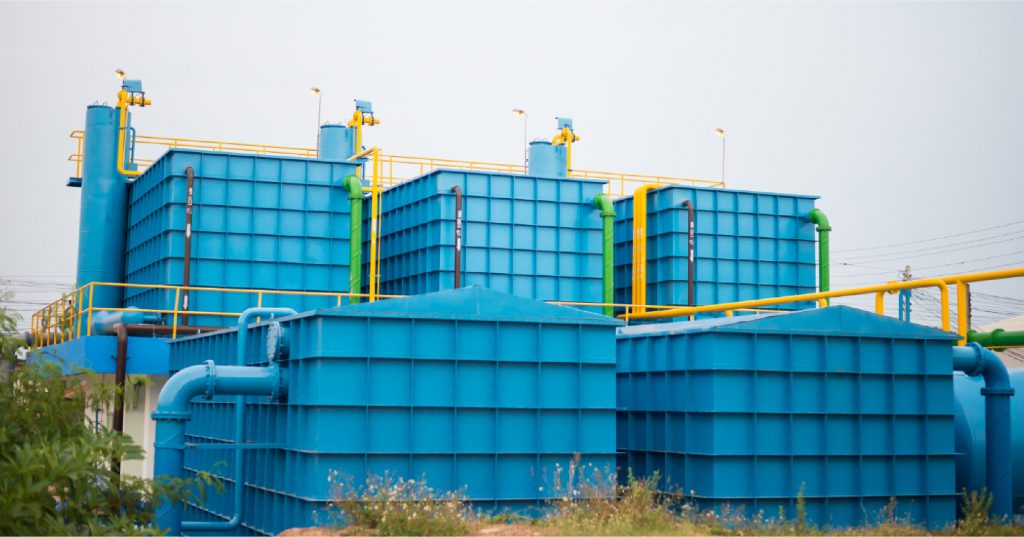
As a result, industries in Singapore increasingly rely on advanced treatment stages designed specifically for fluoride reduction—either as standalone processes or integrated into existing industrial wastewater treatment plants.
Advanced Fluoride Removal Technologies
Modern fluoride removal technologies are selected based on influent concentration, flow rates, discharge standards, and reuse objectives. Commonly adopted approaches include:
1. Chemical Precipitation
Chemical precipitation is one of the most widely used methods for fluoride removal. By adding calcium-based chemicals, fluoride is converted into insoluble calcium fluoride, which can then be separated as sludge.
This method is effective for high fluoride concentrations but requires careful control to manage sludge volume and disposal.
2. Adsorption-Based Treatment
Specialized adsorption media selectively bind fluoride ions from wastewater. These systems are often used as polishing steps after primary treatment to achieve low residual fluoride levels.
Adsorption offers consistent performance and is suitable for facilities with variable influent quality.
3. Membrane-Based Separation
Membrane processes such as reverse osmosis are increasingly applied where high-quality effluent or reuse is required. These wastewater treatment technologies physically separate dissolved fluoride along with other contaminants.
Membrane systems are particularly effective in semiconductor and electronics manufacturing, where water purity standards are extremely high.
4. Integrated Treatment Trains
The most reliable fluoride control strategies use a combination of technologies—chemical precipitation followed by filtration, adsorption, or membrane polishing. This layered approach ensures compliance even under fluctuating operating conditions.
Fluoride Removal in Singapore’s Industrial Context
Singapore’s emphasis on water reuse and zero-discharge philosophies makes fluoride management even more critical. Treated wastewater is often reused for industrial utilities, cooling, or process applications, requiring fluoride levels to be consistently controlled.
Effective fluoride removal supports:
- Compliance with stringent discharge and reuse regulations
- Protection of downstream treatment processes and membranes
- Long-term operational stability of wastewater systems
- Alignment with national sustainability and water reuse goals
Ion Exchange’s Expertise in Fluoride Removal Solutions
Ion Exchange has extensive experience delivering advanced industrial wastewater treatment solutions for complex contaminants, including fluoride. Our approach focuses on engineering treatment systems that are robust, scalable, and aligned with Singapore’s regulatory and sustainability framework.
Fluoride Removal from Potable and Waste Water
Excessive fluoride concentration in groundwater has been reported in more than twenty developing countries, including India, where nineteen states face acute fluorosis problems.
Our recently launched INDION chelating-type ion exchange resin contains specific functional groups that have a selective affinity for fluoride ions to effectively remove fluoride from water. It has taken off well in rural areas as it can treat potable water having up to 20 ppm fluoride content, reducing it to the WHO specified limit of <1.5 ppm.
- On the Rural Front: New INDION Fluoride Removal Handpump Attachments
Our new fluoride removal handpump attachments in FRP using the newly developed INDION RS-F resin (fluoride removal resin) have been installed at three locations.
A demonstration plant at Gangiwara village in Chhindwara District of Madhya Pradesh was installed under the supervision of the Superintendent Engineer & the Executive Engineer, PHED Chhindwara. It caters to the drinking water requirements of around 800 people living in and around the village. The inlet water has a fluoride content of 3.5 ppm, which is reduced to 0.3 ppm in the treated water.
Another unit was installed by Ambuja Foundation of the Ambuja Cement group, which undertakes CSR activities at Balada village, Jaitaran Tehsil, Pali District in Rajasthan. Around 1250 villagers are using the treated water from this unit, which has a flow rate of 11 litres per minute.
The third unit has been installed in collaboration with Water Aid and its partner Vasundha Vikas Sansthan at Dhar, Hasnpur in Kalapani District in Dhar. The unit was successfully field tested in the presence of the Executive Engineer, as well as Water Aid and Vasundha Vikas Sansthan.
Supporting Sustainable Industrial Water Management
As Singapore continues to strengthen its water resilience strategy, industries are expected to minimize environmental impact while maximizing reuse. Effective fluoride management plays a key role in enabling advanced recycling, reducing freshwater dependence, and ensuring safe discharge.
Fluoride removal is no longer just a compliance requirement—it is an essential component of responsible and future-ready industrial water management.
Conclusion
Fluoride presents a unique challenge in industrial wastewater treatment, particularly in high-tech and chemical industries operating in Singapore. Conventional treatment methods are insufficient, making advanced fluoride removal technologies essential for compliance, reuse, and sustainability.
By implementing well-engineered fluoride treatment systems and integrating them into modern wastewater treatment technologies, industries can protect the environment, ensure regulatory adherence, and support Singapore’s long-term water security goals.
Connect with Ion Exchange experts to explore customized fluoride removal solutions designed for your industrial wastewater system in Singapore.
FAQs
1. Why is fluoride difficult to remove from industrial wastewater?
Fluoride is highly soluble in water and does not settle out through conventional treatment, making specialized chemical, adsorption, or membrane-based processes necessary for effective removal.
2. Which technologies are most effective for fluoride removal?
Chemical precipitation, adsorption media, membrane systems such as reverse osmosis, and integrated multi-stage treatment trains are the most effective technologies for controlling fluoride.
3. How do strict regulations impact fluoride control in Singapore?
Singapore’s stringent discharge and reuse standards require industries to implement advanced and consistently reliable fluoride removal systems to ensure regulatory compliance and protect water resources.
4. Can membrane systems remove fluoride efficiently?
Yes, reverse osmosis and other membrane technologies can effectively remove dissolved fluoride, especially in applications requiring high-purity effluent or water reuse.
5. What factors influence the selection of fluoride removal technologies?
Key factors include influent fluoride concentration, flow rate, discharge limits, reuse objectives, sludge handling considerations, and overall lifecycle cost.